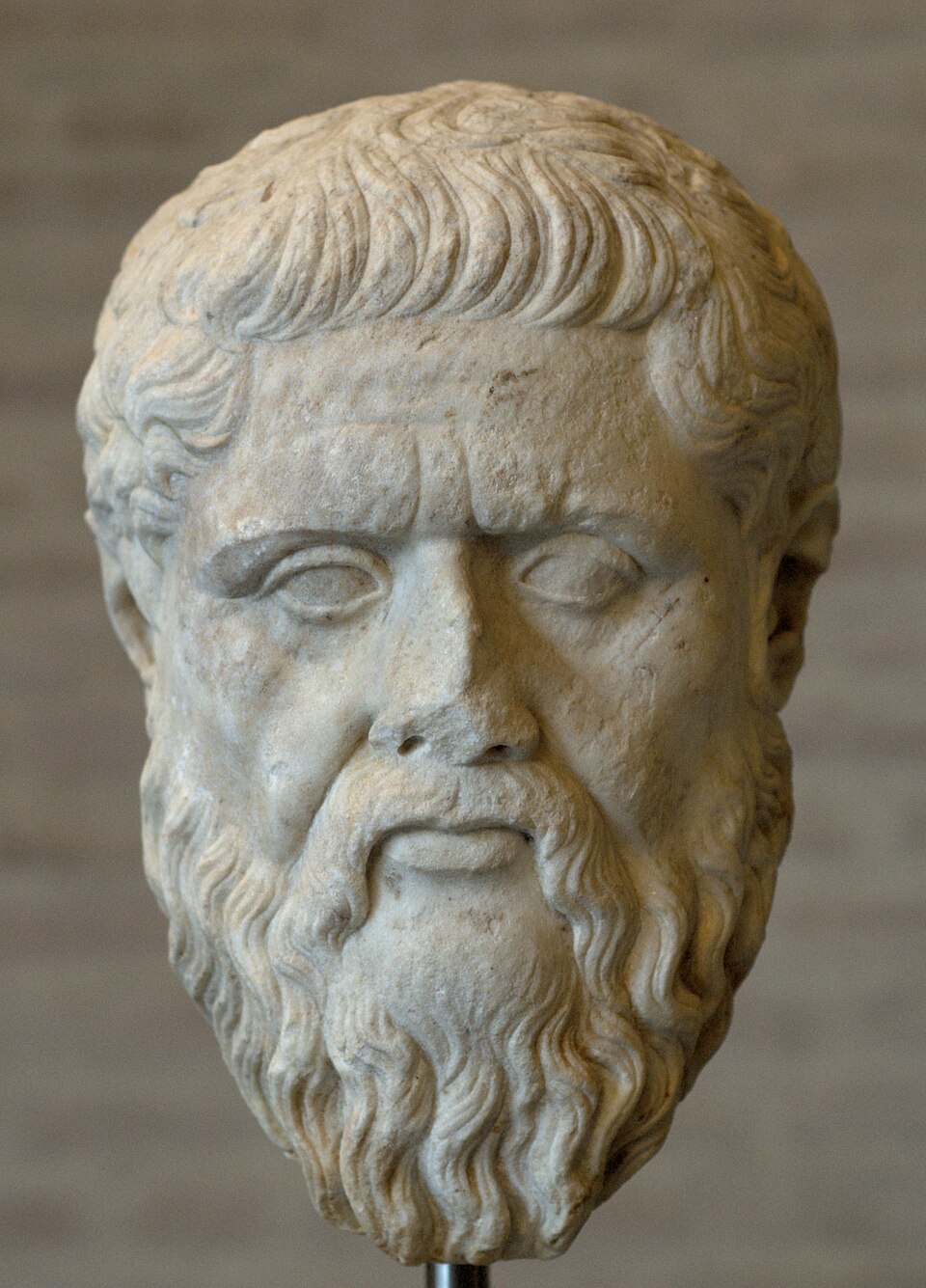
Plato
Athenian philosopher, c. 428–348 BC
Known for: Writing the only ancient source for Atlantis — the dialogues Timaeus and Critias — and thereby founding, entirely by accident, the most durable lost-civilisation debate in history.
Every debate has its champions — and ancestors. Pick a group below: the historical figures who started these arguments, or the researchers and writers who define each side today. Open a profile for their full case — and the other side's response beside it. Deciding who is more persuasive is deliberately left to you.
Known for: Writing the only ancient source for Atlantis — the dialogues Timaeus and Critias — and thereby founding, entirely by accident, the most durable lost-civilisation debate in history.
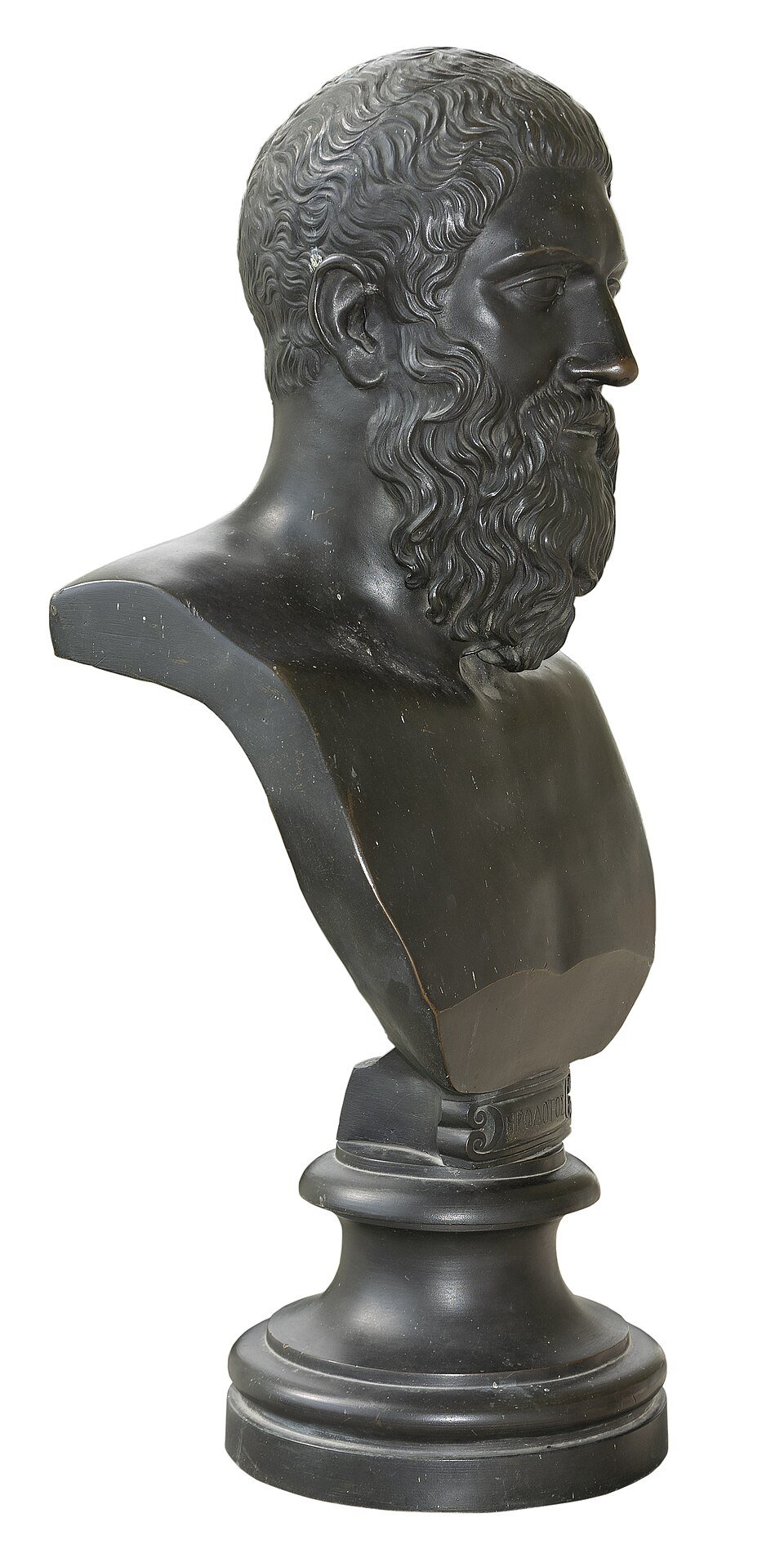
Known for: Writing the first great narrative history, packed with first-hand observation of Egypt and the Near East — alongside tales his own contemporaries called unbelievable.
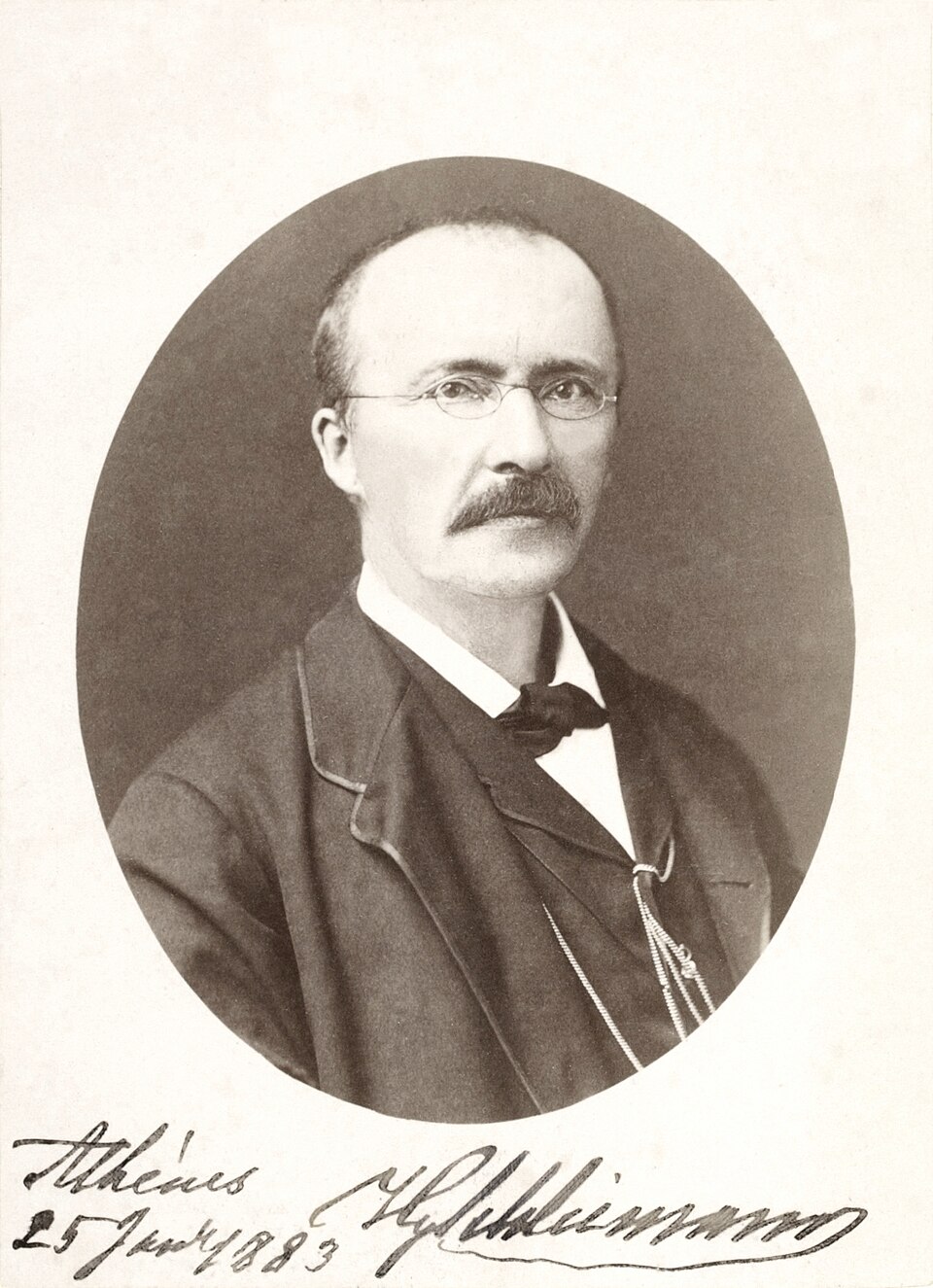
Known for: Taking Homer literally when scholarship dismissed Troy as myth — and finding a real Bronze Age city at Hisarlik.
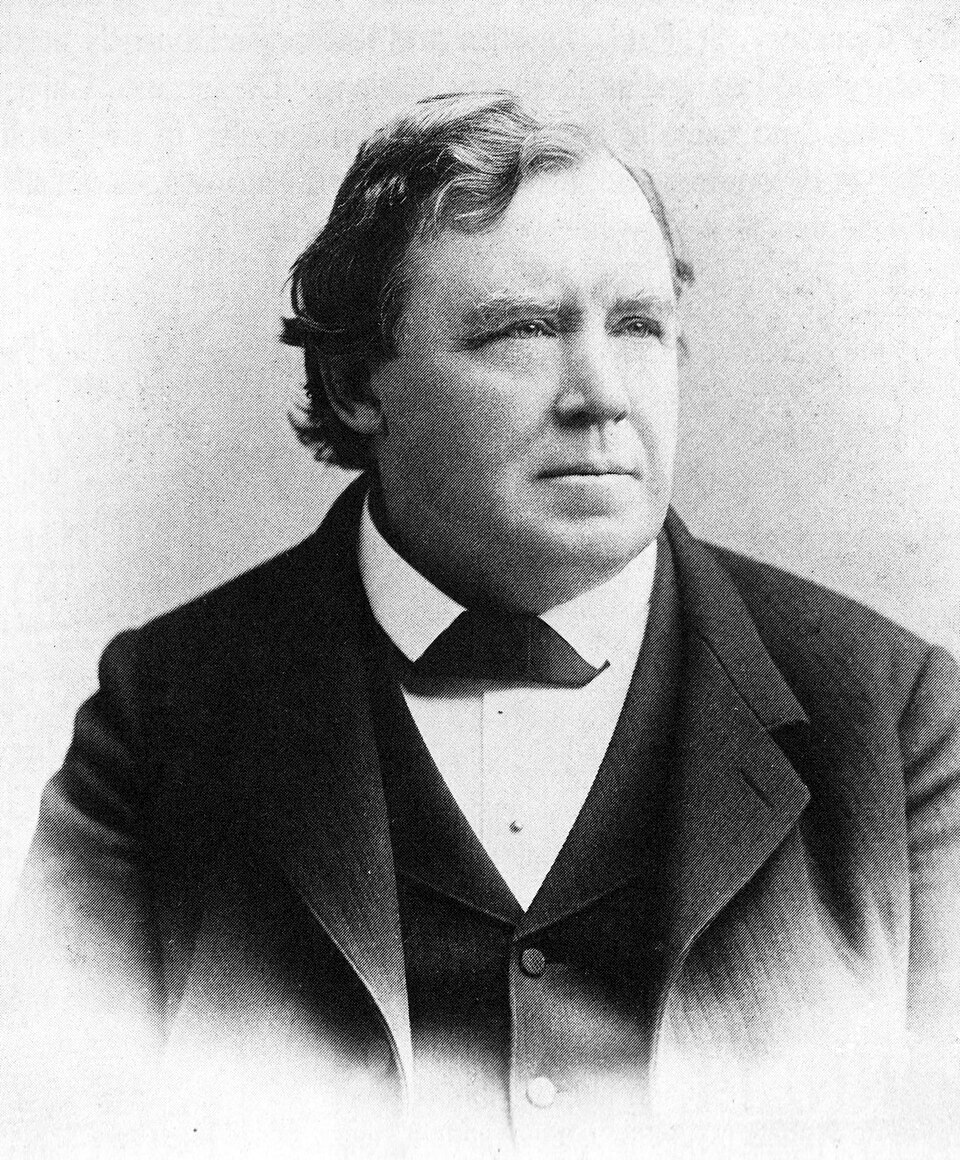
Known for: Atlantis: The Antediluvian World (1882) — the book that transformed Plato's parable into modern Atlantology and the template for all lost-civilisation literature since.
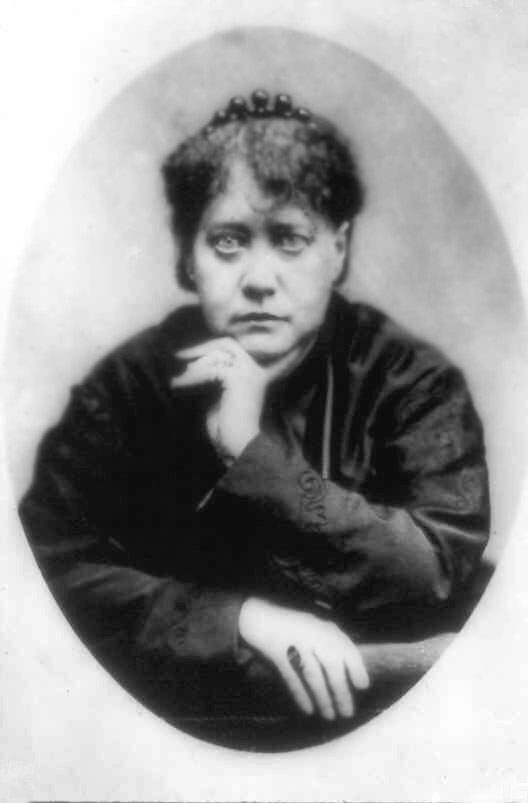
Known for: Weaving Atlantis and Lemuria into an esoteric prehistory of 'root races' — the channel through which lost continents passed from Victorian science into occult and New Age tradition.
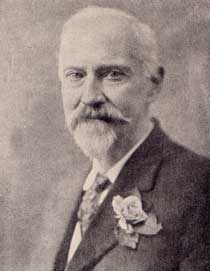
Known for: The lost Pacific continent of Mu — which he claimed to have reconstructed from secret 'Naacal tablets' shown to him by a temple priest in India.
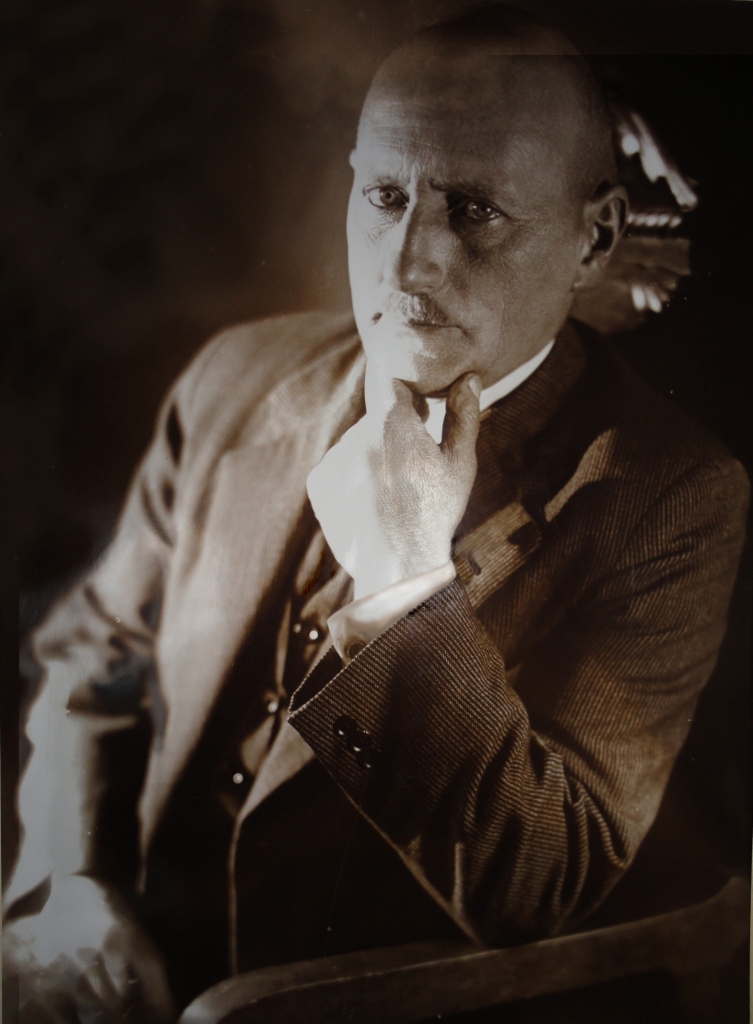
Known for: Devoting five decades to Tiwanaku and dating it, by archaeoastronomy, to 15,000 BC — the calculation that made the site a cornerstone of alternative chronology.
Known for: Writing the only ancient source for Atlantis — the dialogues Timaeus and Critias — and thereby founding, entirely by accident, the most durable lost-civilisation debate in history.
Known for: Writing the first great narrative history, packed with first-hand observation of Egypt and the Near East — alongside tales his own contemporaries called unbelievable.
Known for: Taking Homer literally when scholarship dismissed Troy as myth — and finding a real Bronze Age city at Hisarlik.
Known for: Atlantis: The Antediluvian World (1882) — the book that transformed Plato's parable into modern Atlantology and the template for all lost-civilisation literature since.
Known for: Weaving Atlantis and Lemuria into an esoteric prehistory of 'root races' — the channel through which lost continents passed from Victorian science into occult and New Age tradition.
Known for: The lost Pacific continent of Mu — which he claimed to have reconstructed from secret 'Naacal tablets' shown to him by a temple priest in India.
Known for: Devoting five decades to Tiwanaku and dating it, by archaeoastronomy, to 15,000 BC — the calculation that made the site a cornerstone of alternative chronology.
Known for: Writing the only ancient source for Atlantis — the dialogues Timaeus and Critias — and thereby founding, entirely by accident, the most durable lost-civilisation debate in history.
Known for: Writing the first great narrative history, packed with first-hand observation of Egypt and the Near East — alongside tales his own contemporaries called unbelievable.
Known for: Taking Homer literally when scholarship dismissed Troy as myth — and finding a real Bronze Age city at Hisarlik.
Known for: Atlantis: The Antediluvian World (1882) — the book that transformed Plato's parable into modern Atlantology and the template for all lost-civilisation literature since.
Known for: Weaving Atlantis and Lemuria into an esoteric prehistory of 'root races' — the channel through which lost continents passed from Victorian science into occult and New Age tradition.
Known for: The lost Pacific continent of Mu — which he claimed to have reconstructed from secret 'Naacal tablets' shown to him by a temple priest in India.
Known for: Devoting five decades to Tiwanaku and dating it, by archaeoastronomy, to 15,000 BC — the calculation that made the site a cornerstone of alternative chronology.
Scroll or use the arrows — open a profile for the full case and the response.