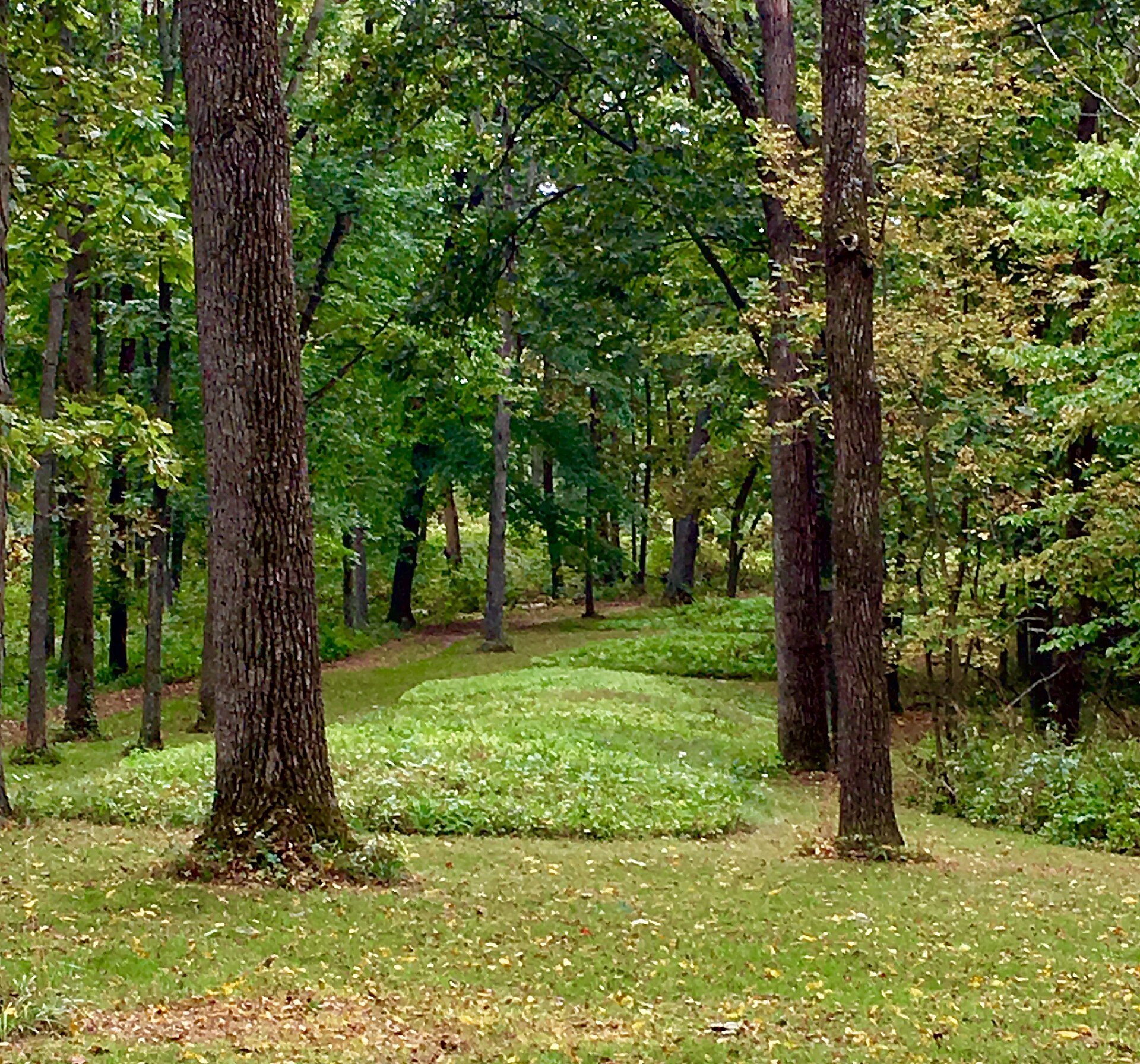
What archaeology says
Archaeology dates the effigy-building tradition to roughly AD 650–1200, the work of Late Woodland communities who hunted, fished, gathered and increasingly gardened across the Upper Mississippi valley. The mounds are low — often under a metre — but carefully planned: excavations show builders stripped the topsoil, sometimes laid out the animal's outline in stone or fire pits, placed burials or ritual deposits, then built up the form with selected soils. Scholars such as Robert Birmingham, former Wisconsin state archaeologist and author of Indian Mounds of Wisconsin, interpret the imagery through the historic cosmology of Siouan-speaking peoples: birds embody the upperworld, bears the earth, and water spirits the lowerworld, with mound groups mapping a balanced cosmos onto the landscape — a reading strongly supported by Ho-Chunk oral tradition, in which the effigy forms correspond to clans that still exist. The Ho-Chunk regard the mounds as ancestral ceremonial and burial grounds, and NAGPRA consultation now shapes all research; LiDAR survey has become the standard non-invasive tool, revealing effigies invisible on the ground.
The monument's own modern history is a dark chapter in heritage management. In 1990, faced with the new repatriation law, superintendent Thomas Munson removed the skeletal remains of at least 40 or 41 individuals and hid them in his Iowa garage for over two decades; he was sentenced in 2016 to weekend jail terms, home confinement and restitution. A separate federal investigation found that between 1999 and 2010 the monument had built boardwalks, sheds and trails over and through mounds without legally required review, damaging the very resources it existed to protect. The National Park Service publicly documented both failures in the reconciliation film In Effigy.
- Radiocarbon dates and Late Woodland ceramics placing effigy construction at c. AD 650–1200
- Cyrus Thomas's 1894 Smithsonian survey demonstrating Native American authorship of the mounds
- Ho-Chunk oral tradition linking effigy forms to living clan identities, echoed in Birmingham's cosmological analysis
- Excavated construction sequences — prepared surfaces, outline features and burials — showing deliberate ritual design
- LiDAR surveys revealing additional effigies and confirming planned mound-group layouts across the region