What archaeology says
Historians of Breton literature trace the written legend no earlier than the 15th century, when Pierre Le Baud's chronicle of Brittany mentioned the drowned town, with the full moral drama of Gradlon, Dahut and the saints elaborated by the hagiographer Albert Le Grand in 1636 and swept into Romantic celebrity by Theodore Hersart de La Villemarque's Barzaz Breiz ballad collection of 1839. Read as literature, Ys is a Christian morality tale — a Sodom of the sea whose destruction dramatises the victory of the new faith (personified by Saints Winwaloe and Corentin) over pagan indulgence — grafted onto much older Celtic motifs of drowned otherworld kingdoms shared with Wales and Ireland.
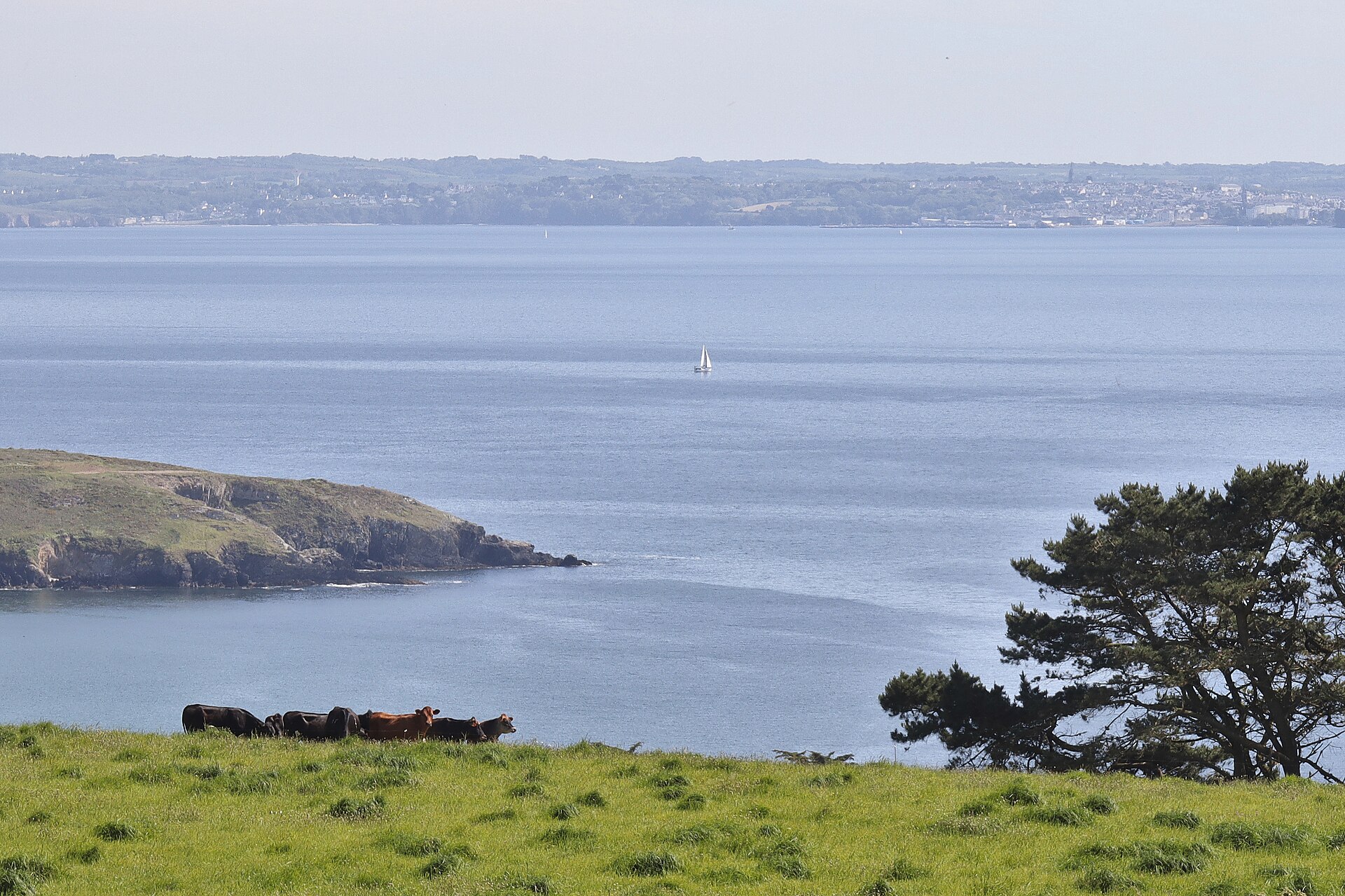
The archaeology of Douarnenez Bay is real but Roman rather than regal. At Plomarc'h Pella on the bay's southern shore stand the remains of the largest known garum (fermented fish sauce) factory in the Roman world outside the Mediterranean: ranks of masonry salting vats up to four metres deep, built around the early 2nd century AD to process the bay's sardine shoals. Further tanks, walls and quays lie in the intertidal zone and just offshore, and coastal researchers led by Marie-Yvane Daire of the CNRS centre CReAAH in Rennes have documented dozens of eroding and partly submerged Iron Age and Gallo-Roman sites along the Breton shore. Mainstream scholars argue that generations of locals seeing worked masonry emerge from the sands at low spring tides is exactly the seedbed a drowned-city legend needs — no lost metropolis required.
- No written trace of Ys before the 15th century; the story's moral architecture is medieval and Christian
- The Plomarc'h Gallo-Roman garum factory — the largest known in Roman Europe — explains masonry in and around the bay
- Intertidal fish-salting tanks, walls and quays visible at low tide provide a natural seed for the legend
- CReAAH coastal surveys (Marie-Yvane Daire) document eroding Iron Age and Roman sites, not a drowned city
- Close literary parallels with Cantre'r Gwaelod and Irish drowned-kingdom tales suggest a shared story-type, not a shared event