What archaeology says
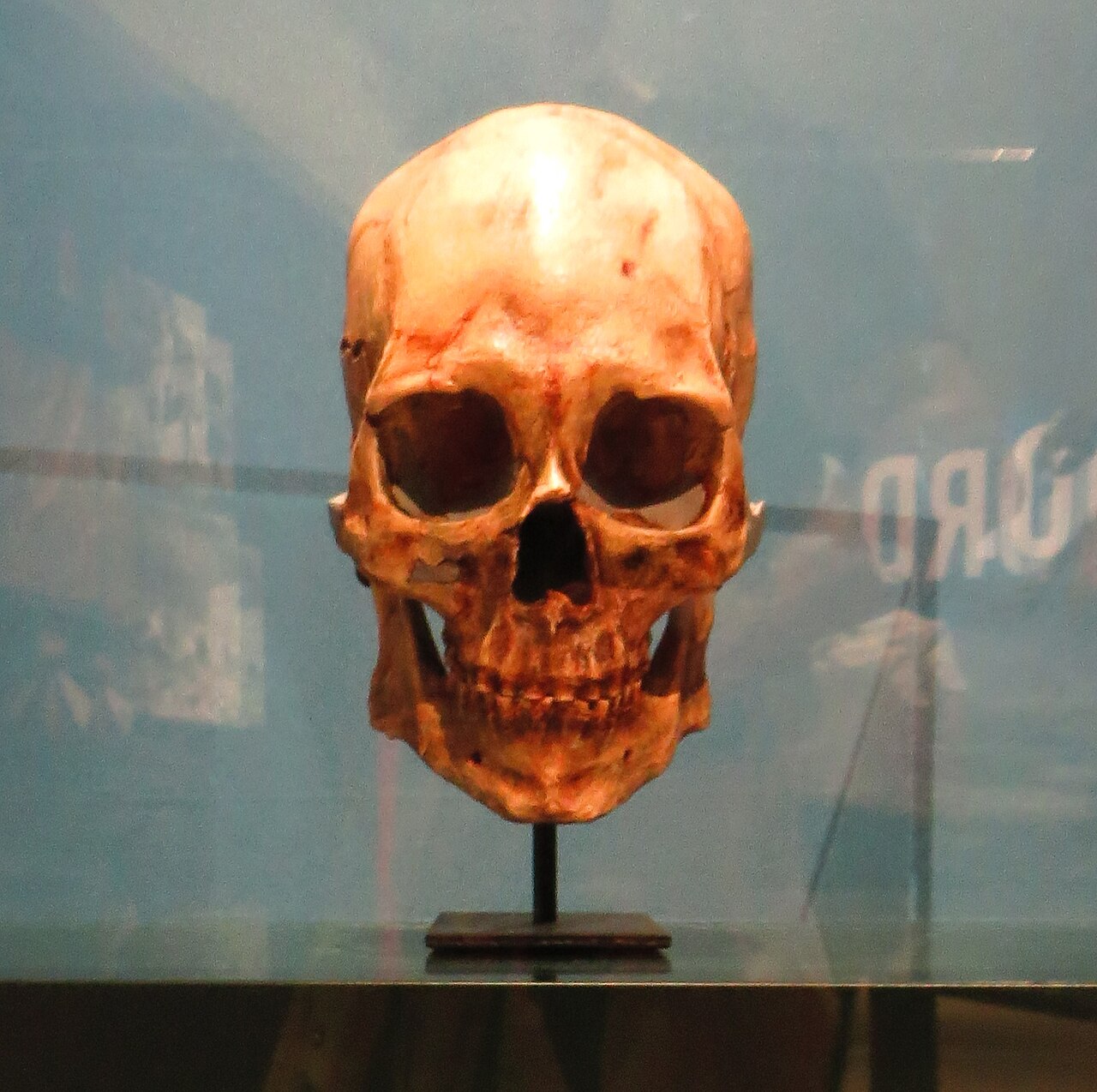
The scientific and legal resolution is now settled. Genome sequencing published in 2015 by Eske Willerslev's team at the University of Copenhagen showed that the Ancient One is more closely related to modern Native Americans than to any other population, and specifically closest to Columbia Plateau tribes such as the Confederated Tribes of the Colville Reservation. Independent analysis by geneticists at the University of Chicago in 2016 confirmed the result. The DNA answered the question directly: this was a Native American ancestor.
The word "Caucasoid" in Douglas Owsley's early forensic description had been a source of enormous confusion. In mid-twentieth-century physical anthropology, cranial "Caucasoid" was a morphological category, not a statement of European descent, and the individual's skull shape simply differs from that of many later Native Americans - a reflection of how much cranial form changed over nine millennia, not evidence of European ancestry. The public and some litigants nonetheless took "Caucasoid" to mean "white", which drove a decade of contention.
Legally, the skeleton had been the subject of a lawsuit in which scientists won the right to study it against tribal claims under NAGPRA. After the DNA results, Congress acted: a provision in the 2016 Water Infrastructure Improvements for the Nation Act directed the remains to Washington State for return to the claiming tribes. On 18 February 2017 the Ancient One was reburied at an undisclosed location by more than 200 members of five Columbia Basin tribes.
- The skeleton is radiocarbon-dated to roughly 8,500-9,000 years old.
- 2015 genome sequencing showed closest affinity to modern Native Americans, especially Plateau tribes.
- Independent 2016 analysis at the University of Chicago confirmed the Native American result.
- 'Caucasoid' was an outdated morphological label, not a claim of European descent.
- Cranial shape differences reflect nine millennia of change, not a separate ancestry.