What archaeology says
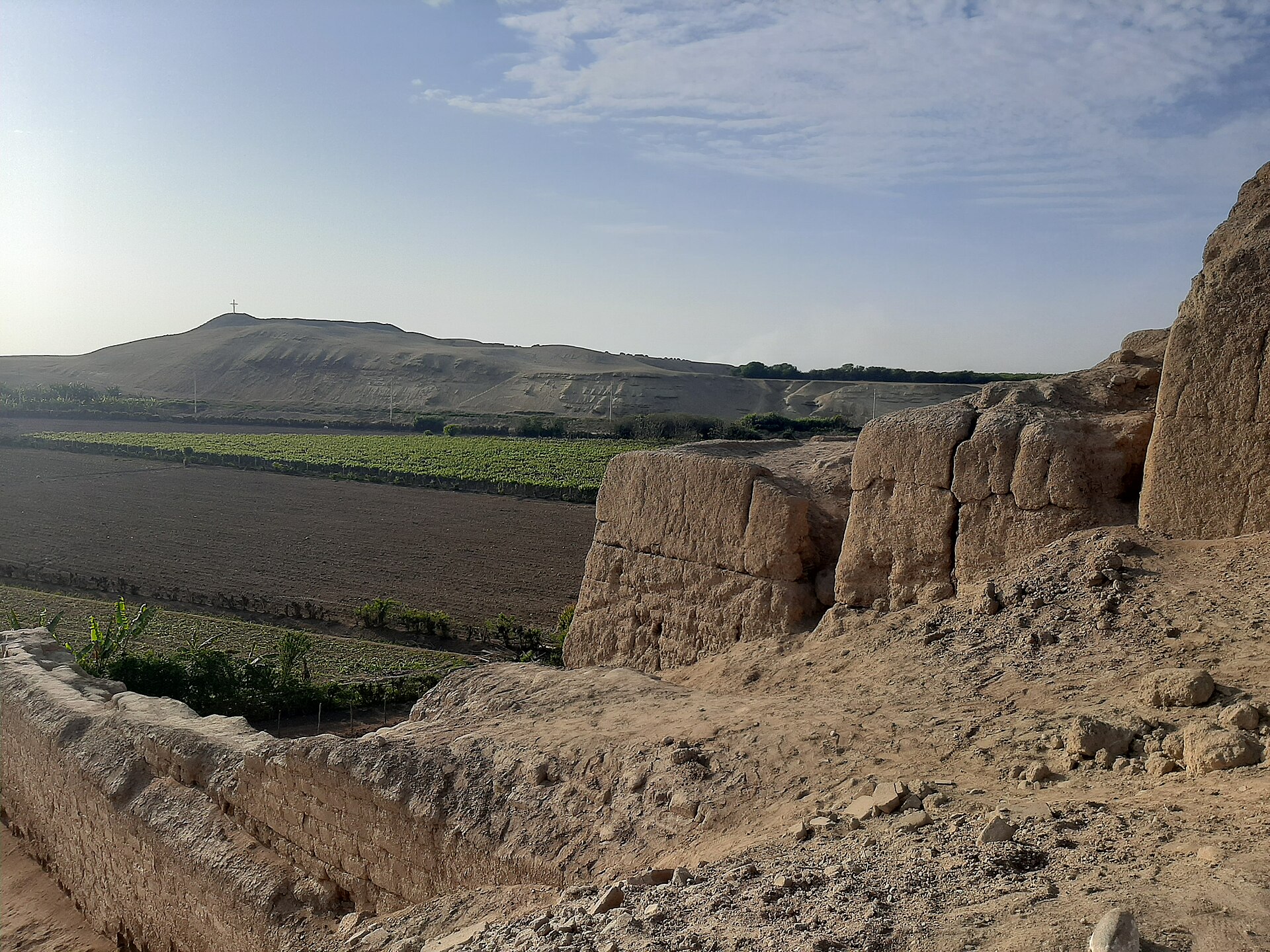
The Chincha system matters because it is datable and contextualised in ways Nazca's open desert resists. The lines' association with stratified mounds, datable ceramics and habitation sites let Stanish and Tantaleán anchor the tradition in the late Paracas world, and the solstice orientations — confirmed statistically across multiple line segments and mound axes — support a calendrical and ceremonial reading: the lines choreographed movement and gathering across the pampa, drawing scattered communities toward the mounds for festivals keyed to the agricultural year. Distinct line clusters may even have belonged to distinct social groups, each maintaining its own ray centre, a pattern later ethnography records for Andean 'ceque' systems radiating from Cusco.
For the wider debate, Chincha supplies the developmental sequence the Nazca Lines lacked: straight lines converging on ritual nodes came first, in Paracas times; the famous animal figures of Nazca were a later elaboration of an established tradition of walking, gathering and marking the desert. On this view nothing about the lines requires aerial viewing at any stage — they were always infrastructure for ritual movement, legible on foot and from the low platforms at their convergence points.
- The 2014 PNAS study mapping 71 lines and geoglyphs tied to U-shaped ceremonial mounds
- Late Paracas ceramics and settlement context dating the system to c. 400–100 BC
- Statistically supported June solstice sunset alignments of lines and mound axes
- Continuity with documented Andean ceque and pilgrimage-line traditions
- Stratified, excavatable mounds giving the lines the dated context Nazca lacks